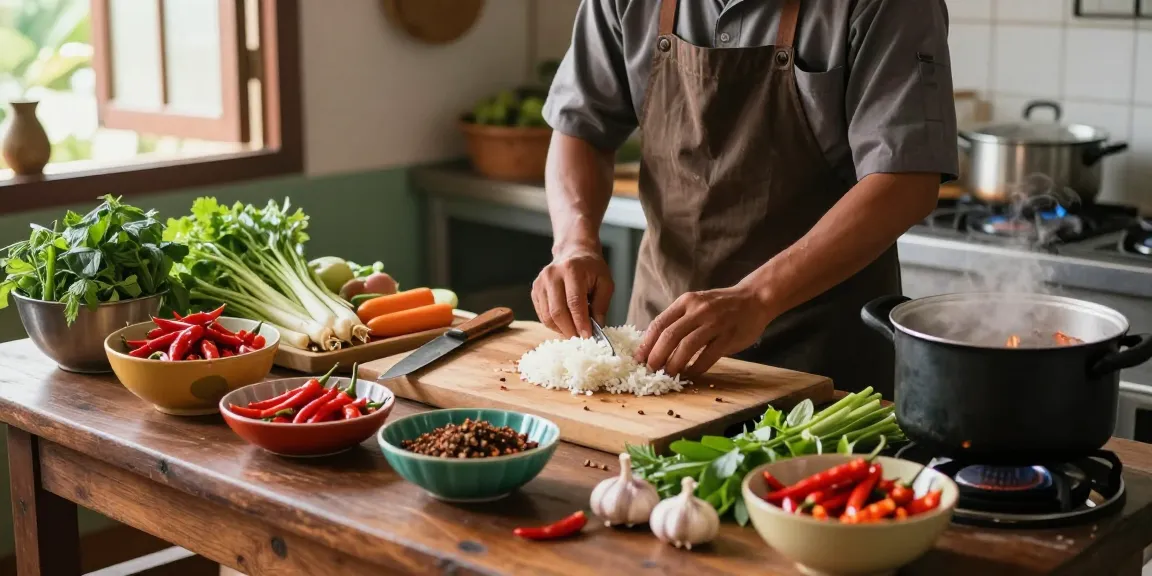
Understanding Kebuntoto: The Culinary Journey
Kebuntoto is not just a dish; it’s an experience that embodies the rich tapestry of culinary traditions and innovations. Originating from a blend of cultural influences, this dish combines elements that appeal to both traditionalists and modern explorers of taste. As we delve into the heart of kebuntoto, we uncover the origins, ingredients, and techniques that contribute to its unique identity, reflecting a journey through time and flavors.
What is Kebuntoto and Its Origins?
Kebuntoto can be traced back to various Southeast Asian culinary traditions, where the interplay of flavors, colors, and textures creates a vibrant plate. The dish is often associated with celebrations and communal gatherings, symbolizing unity and joy. Its name, deriving from local dialects, signifies a mix of ingredients that marry well together. Kebuntoto's roots are found in the use of local spices and herbs, often paired with rice or noodles, emphasizing the region's agricultural bounty.
The Evolution of Kebuntoto in Modern Cuisine
In recent years, kebuntoto has evolved from its traditional form into a staple on modern restaurant menus. Chefs around the world have embraced it, reinterpreting the dish with innovative techniques and culinary flair. This evolution includes the incorporation of global flavors, such as fusion with Western cooking styles, making kebuntoto accessible to a broader audience. Restaurants now offer it with options like grilled vegetables or gourmet sauces, enhancing its original charm while catering to diverse palates.
Key Ingredients That Define Kebuntoto
The essence of kebuntoto lies in its ingredients. Common components include fresh herbs like cilantro and basil, spices such as lemongrass and chili, and a variety of proteins including chicken, beef, or seafood. The selection of ingredients can vary based on regional availability and personal preferences, allowing for customization that reflects individual tastes. Notably, the use of high-quality, fresh components is paramount for achieving the authentic flavor profile that makes kebuntoto stand out.
Preparing Kebuntoto: Essential Techniques
To craft a truly unforgettable kebuntoto, understanding the preparation methods is crucial. The right techniques not only enhance flavors but also ensure the dish is presented beautifully. Seasoning properly, marinating proteins, and the timing of cooking are all vital elements that contribute to creating a kebuntoto that resonates with quality and flavor. If you're looking for comprehensive insights into preparing kebuntoto, resources like kebuntoto can be invaluable.
Tools and Equipment Needed for Kebuntoto
Equipping your kitchen with the right tools can simplify the process of making kebuntoto. Essential equipment includes a sharp knife for precise cuts, a sturdy cutting board, and cooking pots or grills suitable for your chosen method of preparation. Additionally, having tools like a mortar and pestle can aid in creating spice blends to enhance the authenticity of your dish. Investing in high-quality equipment can elevate your cooking experience and the results.
Step-by-Step Guide to Cooking Kebuntoto
- Marination: Begin by marinating your choice of protein in a mixture of soy sauce, garlic, and ginger for at least an hour to infuse flavor.
- Preparation of Vegetables: Chop vegetables such as bell peppers, onions, and carrots into bite-sized pieces to ensure even cooking.
- Cooking: Heat your grill or pan over medium-high heat. Add the marinated proteins first, allowing them to sear and lock in juices.
- Add Vegetables: Once the proteins are almost cooked, add the vegetables, stirring frequently to combine flavors.
- Finishing Touches: Season with fresh herbs and spices just before serving to maintain their vibrant flavor.
- Serving: Plate the kebuntoto beautifully and accompany it with rice or noodles for a complete meal.
Common Pitfalls to Avoid When Making Kebuntoto
When preparing kebuntoto, several common mistakes can detract from the final dish. Overcooking proteins can lead to dryness, while under-seasoning can make the dish bland. Ensure you taste as you cook, adjusting flavors to your liking. Additionally, avoid overcrowding the cooking pan, as this can lead to steaming rather than searing, impacting texture. By being mindful of these pitfalls, you can create a more balanced and enjoyable kebuntoto.
Flavor Profiles in Kebuntoto: A Sensory Exploration
Kebuntoto is a symphony of flavors that dance on the palate, showcasing a balance between sweet, savory, and spicy elements. The complexity of this dish is what makes it truly remarkable and a favorite among food enthusiasts.
Balancing Flavors: Sweet, Savory, and Spicy
The delicate balance of flavors is what makes kebuntoto a masterpiece. Sweetness often comes from sauces like hoisin or sweet chili, while savory notes are amplified by the umami of soy sauce and the richness of the proteins used. Additionally, a touch of heat from fresh chilies or chili paste adds an exciting layer of complexity. Mastering this balance is key to making kebuntoto not only delicious but also memorable.
Enhancing Kebuntoto with Unique Spices and Herbs
To elevate kebuntoto to the next level, experimenting with unique spices and herbs is essential. Consider incorporating ingredients such as star anise for a subtle sweetness or kaffir lime leaves for a fresh, aromatic touch. Fresh herbs like mint or Thai basil can also invigorate the dish, providing a refreshing contrast to the savory elements. These additions can transform a classic kebuntoto into an extraordinary culinary experience.
Pairing Kebuntoto with Drinks for the Ultimate Experience
The joy of enjoying kebuntoto can be further enhanced by thoughtful drink pairings. Light, crisp beers or refreshing herbal teas can complement the dish beautifully. For a more sophisticated pairing, consider a fruity white wine or a zesty cocktail that balances the dish's flavors. Making informed choices about drink pairings can elevate your dining experience and create lasting memories.
The Future of Kebuntoto: Trends for 2026
As culinary trends evolve, kebuntoto is expected to follow suit, adapting to new tastes and dietary needs. The exploration of new ingredients and creative cooking styles is set to redefine this traditional dish.
Emerging Ingredients and Flavors Influencing Kebuntoto
In 2026, we may see an increase in the use of plant-based proteins to cater to the growing vegetarian and vegan populations. Ingredients like jackfruit and pea protein could replace traditional meats, maintaining the beloved flavors of kebuntoto while offering healthier, more sustainable options. Additionally, incorporating superfoods such as quinoa and avocados may also become popular, enhancing both the nutritional profile and flavor complexity.
Innovative Cooking Styles for Kebuntoto
Modern cooking techniques, such as sous vide cooking and molecular gastronomy, may also influence how kebuntoto is prepared. These methods allow for precise temperature control, leading to perfectly cooked proteins while infusing unique flavors through innovative sauces and presentations. This evolution in cooking style can entice a new generation of food enthusiasts who seek both tradition and creativity in their meals.
Predictions for Kebuntoto in Fine Dining and Casual Settings
We predict that kebuntoto will find its way into both fine dining establishments and casual eateries. Its adaptability allows it to transition seamlessly across various culinary environments, whether served as an upscale dish adorned with gourmet ingredients or as a comforting meal in a casual setting. This flexibility will ensure that kebuntoto remains relevant and cherished by food lovers worldwide.
FAQs About Kebuntoto
What makes Kebuntoto unique compared to other dishes?
Kebuntoto's uniqueness lies in its fusion of flavors, its versatility, and its ability to reflect the cultures from which it originates. The combination of various spices and cooking techniques creates a dish that is both familiar and exciting.
Can I customize my Kebuntoto meal?
Absolutely! One of the key appeals of kebuntoto is its customizability. You can select your choice of protein, vegetables, and spices to create a dish that caters to your personal preferences and dietary requirements.
What are the best side dishes to serve with Kebuntoto?
Kebuntoto pairs wonderfully with a variety of side dishes, including steamed rice, stir-fried vegetables, or fresh salads. Noodle dishes can also complement the meal, providing additional textures and flavors.
How do I ensure authenticity in making Kebuntoto?
To maintain authenticity while making kebuntoto, focus on using traditional ingredients and cooking techniques. Sourcing spices from local markets and following regional recipes can help you achieve the true essence of this dish.
Are there vegetarian options for Kebuntoto?
Yes, vegetarian kebuntoto is a delicious alternative that utilizes plant-based proteins, vegetables, and traditional sauces to create a flavorful dish without meat. Options like tofu or tempeh serve as hearty substitutes, providing a satisfying meal.