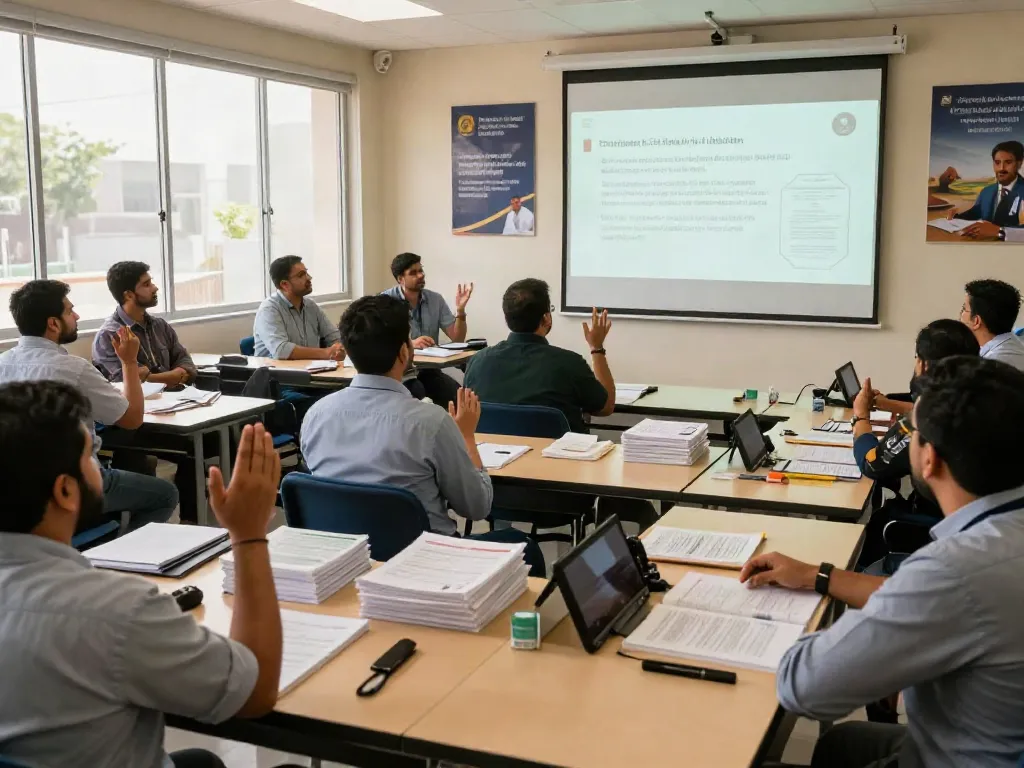
Understanding CSP Certification: A Comprehensive Overview
The Certified Safety Professional (CSP) certification is an esteemed credential for safety professionals, signifying a high level of competence in workplace safety and health management. This certification underscores an individual’s commitment to safety excellence and is recognized globally, making it essential for any safety leader aiming for advanced roles in various industries. When exploring options, CSP Certification provides comprehensive insights into enhancing your career trajectory.
What is CSP Certification?
The CSP certification is administered by the Board of Certified Safety Professionals (BCSP), established in the USA to elevate occupational safety standards worldwide. This credential is awarded to professionals who meet rigorous educational and experience prerequisites and pass a comprehensive examination that assesses their knowledge in various safety domains. It covers critical areas such as risk management, safety management systems, and emergency management, making CSPs invaluable assets in any organization.
The Importance of CSP in Today’s Workplace
In an era where workplace safety is paramount, the CSP certification stands out as a benchmark of professionalism and expertise. Organizations are increasingly seeking certified safety professionals to foster a culture of safety, compliance, and risk management. Holding a CSP designation not only enhances individual credibility but also reflects an organization’s commitment to maintaining high safety standards. This is particularly crucial in high-risk industries such as construction, oil and gas, and manufacturing.
Key Benefits of Achieving CSP Certification
- Career Advancement: CSP certification opens up opportunities for leadership roles across various industries.
- Higher Earning Potential: Data shows that CSPs typically earn more than their non-certified counterparts.
- Global Recognition: The CSP credential is respected worldwide, enhancing mobility in the international job market.
- Networking Opportunities: Joining a community of certified professionals allows for knowledge exchange and career support.
Eligibility Criteria for CSP Certification
Before embarking on the journey to achieve CSP certification, it's crucial to understand the eligibility requirements set forth by the BCSP. Ensuring that you meet these standards can streamline your path to certification.
Who Can Apply for CSP Certification?
Anyone with a vested interest in safety management can apply for the CSP certification. However, most candidates are typically professionals in the Health, Safety, and Environment (HSE) field, such as safety managers, consultants, and officers. The CSP certification is especially beneficial for professionals looking to take on higher responsibilities within their organizations.
Necessary Qualifications and Experience
To qualify for the CSP certification, candidates must possess a combination of education and experience in the safety field. Generally, the requirements include:
- A minimum of a bachelor’s degree in a related field.
- At least four years of safety experience, during which they have demonstrated safety management competence.
- Completion of specific training programs or certifications that provide a foundation in safety principles.
Common Misconceptions About CSP Eligibility
There are several misconceptions regarding CSP certification eligibility. A common myth is that only those with advanced degrees can apply; however, professionals with a bachelor's degree and sufficient experience are still eligible. Additionally, some assume that extensive prior experience is necessary, but relevant job experience can meet the requirement without years of specific positions.
Strategic Preparation for the CSP Exam
Passing the CSP exam requires a well-structured preparation plan. Understanding the exam's structure, content areas, and effective study techniques can greatly enhance your chances of success.
Exam Structure and Key Content Areas
The CSP exam comprises multiple-choice questions that assess knowledge across various domains such as risk assessment, hazard recognition, and regulatory compliance. Familiarizing yourself with the exam's content outline provided by the BCSP is essential for effective preparation. Key areas encompass:
- Risk Management
- Safety Management Systems
- Fire Protection Systems
- Industrial Hygiene
- Environmental and Health Hazards
- Ergonomics
- Emergency Preparedness
Effective Study Techniques for Exam Success
To maximize your preparation, consider the following study techniques:
- Create a Study Schedule: Allocate time for each topic based on its complexity and your familiarity.
- Utilize Practice Exams: Full-length practice tests help simulate the exam environment and build stamina.
- Focus on Weak Areas: Devote extra time to content areas where you feel less confident.
- Join Study Groups: Collaboration with peers can enhance understanding and retention of material.
Resources and Tools for CSP Exam Preparation
Utilize various resources to aid your study efforts, including:
- Books and manuals published by BCSP and other reputable authors.
- Online courses and webinars tailored to specific CSP exam content.
- Flashcards for quick review of key terms and concepts.
- Mobile apps designed for CSP exam preparation.
Cost and Value of CSP Certification in Pakistan
Understanding the financial implications of pursuing CSP certification is essential for prospective candidates. The costs involved should be viewed in the context of the long-term benefits of certification.
Understanding CSP Certification Costs
The cost for CSP certification in Pakistan typically includes an application fee and exam fees. The application fee is around $160, while the examination fee is approximately $350. These costs can vary slightly based on the payment method and currency conversion rates.
Return on Investment for Safety Professionals
Investing in CSP certification is often a smart financial decision for many professionals. The increased earning potential and broader job opportunities usually outweigh the initial costs. CSPs often qualify for senior-level positions with salaries significantly higher than those without certification.
Comparative Analysis of CSP Costs vs. Benefits
While the upfront costs for CSP certification may seem high, the long-term benefits provide a compelling argument for investment. Certified professionals can expect improved job security, higher salary prospects, and greater opportunities for advancement, making this certification a worthy pursuit.
Future Trends in CSP Certification and Safety Leadership
The landscape of workplace safety is continually evolving. Understanding emerging trends and adapting to changes is essential for aspiring safety professionals.
Emerging Trends in Occupational Safety and Health
One trend reshaping the field of occupational safety is the increasing integration of technology in safety practices. Tools such as AI and machine learning are being used to analyze workplace risks and enhance safety measures. As these technologies advance, CSPs must adapt and learn how to leverage them effectively.
The Role of Technology in Safety Training
Technology is revolutionizing safety training methods. Virtual reality (VR) and augmented reality (AR) are being adopted to simulate real-world scenarios for training purposes, allowing safety professionals to prepare for emergencies in a controlled environment. This trend not only improves engagement but also enhances retention of safety protocols.
Preparing for the Future of Safety Management
As industries evolve, so too must the skillsets of safety professionals. Continuous education and adapting to new safety practices will be imperative for CSPs looking to remain competitive in the workforce. Engaging in ongoing professional development and staying informed about industry changes are essential components of a successful safety career.
What are the CSP certification requirements?
CSP certification requirements include holding a relevant degree, demonstrating adequate safety experience, and successfully passing the CSP examination. Candidates must ensure they meet these criteria prior to applying for the exam.
How long does CSP certification last?
The CSP certification is valid for five years. To maintain their certification, CSPs must meet continuing education requirements and renew their credentials, emphasizing the importance of lifelong learning and professional development in this field.
What job roles benefit from CSP certification?
Roles that commonly benefit from CSP certification include safety managers, HSE engineers, safety consultants, and compliance officers. These positions require a high level of expertise in safety management practices, making the CSP certification an invaluable asset.
Can I prepare for the CSP exam online?
Yes, many organizations, including Burraq Consulting, offer online CSP exam preparation courses. These courses provide flexibility for professionals seeking to fit their study around busy schedules.
What is the average salary for CSP certified professionals?
According to recent surveys, CSP certified professionals can expect to earn significantly higher salaries than their non-certified peers. Average salaries for CSPs often range from $80,000 to $120,000 annually, depending on industry, experience, and location.