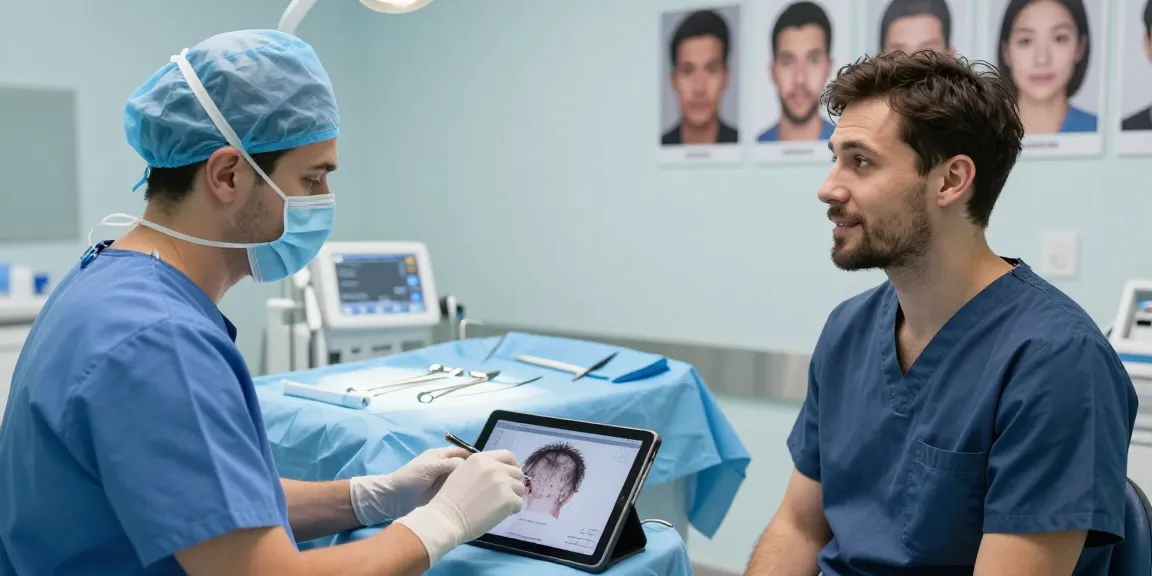
Understanding Hair Transplants in Turkey
Hair transplants have become increasingly popular over the years, particularly in Turkey, where high-quality procedures are offered at competitive prices. As more people seek solutions for hair loss, understanding the intricacies of these procedures and the benefits of traveling to Turkey for such treatments can provide insight into making informed choices. For those considering options in hair restoration, hair transplant turkey is an essential phrase to explore.
What is a Hair Transplant?
A hair transplant is a surgical procedure that involves transferring hair follicles from one part of the body, commonly the back of the head, to the balding or thinning areas. This meticulous process ensures that the hair grows naturally in the new location. The most common methods include Follicular Unit Extraction (FUE) and Follicular Unit Transplantation (FUT), both of which offer varying benefits depending on individual hair loss conditions and personal preferences.
The Popularity of Hair Transplant Turkey
Turkey has emerged as a leading destination for hair transplants, attracting thousands of international patients annually. Several factors contribute to this phenomenon, including the affordability of procedures, high-quality medical services, and the availability of experienced professionals. Many clinics in Turkey offer state-of-the-art facilities and customized treatment plans, allowing individuals to address their hair loss effectively while enjoying the beautiful surroundings of the country.
Cost Comparison: Turkey vs. Other Countries
One of the driving forces behind the influx of patients to Turkey for hair transplants is the cost. Prices in Turkey can be up to 70% lower than those in Western countries, making it an attractive alternative. For instance, while a hair transplant in the United States might cost between $8,000 to $15,000, the same procedure in Turkey can range from $1,500 to $4,000. This staggering difference allows patients to save significantly without compromising on quality.
Types of Hair Transplant Procedures Available
FUE vs. FUT: Which is Right for You?
Choosing between FUE and FUT largely depends on an individual’s specific needs and hair loss characteristics. FUE involves extracting individual hair follicles, resulting in minimal scarring and quicker recovery times. On the other hand, FUT involves removing a strip of scalp, which is then dissected into follicular units. This method may be more suitable for patients requiring a larger number of grafts and may offer higher yield. Ultimately, a consultation with a qualified specialist can help determine the best approach.
Innovative Techniques in Hair Restoration
The hair restoration industry is continuously evolving with innovative techniques. Recent advancements include robotic-assisted hair transplants, which enhance precision and efficiency during follicle extraction and placement. Additionally, techniques such as Platelet-Rich Plasma (PRP) therapy are gaining traction, where a patient’s own blood is treated to stimulate hair follicle activity and improve hair density.
Customized Treatment Plans for Different Hair Types
Not all hair is the same, and recognizing this is crucial for effective treatment. Clinics in Turkey often provide tailored plans based on the patient's hair type, density, and individual goals. By analyzing hair characteristics, specialists can recommend the most suitable methods and techniques to ensure optimal results.
The Impact of Hair Transplant on Self-Esteem
Psychological Benefits of Hair Restoration
The psychological effects of hair loss can be profound, affecting self-esteem and confidence levels. Many patients report enhanced self-image and overall mental well-being following hair transplant procedures. A restored hairline can lead to greater social interactions and improved job prospects, granting individuals a newfound sense of empowerment.
Success Stories: Real Patient Experiences
Numerous success stories exist from patients who have undergone hair transplants in Turkey. For instance, John, a 34-year-old from Australia, decided to travel to Turkey after extensive research. His experience not only improved his hair density but also boosted his confidence significantly, allowing him to reconnect with his social circle without the burden of hair loss.
Long-Term Results: What to Expect After Surgery
Post-surgery results can vary, but most patients start seeing hair growth within three to six months after the procedure. Full results typically manifest around 12 to 18 months post-op. It’s crucial for patients to adhere to post-operative care recommendations to ensure the longevity of the transplanted hair. With proper care, many enjoy their new hair for many years, effectively restoring their youthful appearance.
Choosing a Reputable Clinic in Turkey
What to Look for in a Hair Transplant Clinic
When considering a hair transplant, choosing the right clinic is paramount. Key factors to evaluate include the clinic's accreditation, the experience of the medical team, and the technologies they use. Look for clinics that are internationally recognized and have garnered positive patient testimonials.
Researching Doctor Credentials and Patient Reviews
In-depth research on the credentials of the performing doctor is essential. Prospective patients should examine the surgeon’s training, experience, and success rates in performing hair transplants. Additionally, reviewing patient testimonials and before-and-after photos can provide valuable insights into the clinic's reliability and quality of service.
Understanding Post-Operative Care and Support
Post-operative care should be an integral part of the treatment plan. A reputable clinic will provide comprehensive support and education on how to care for the transplanted area, as well as what to expect during the healing process. Ensuring that clear guidelines are provided can significantly impact recovery outcomes and overall satisfaction.
Future Trends in Hair Restoration
Advancements in Hair Growth Technology
The future of hair restoration is promising, with advancements in technology paving the way for new treatment options. Innovations such as gene therapy and stem cell research are on the horizon, offering potential solutions for hair regrowth without the need for invasive procedures. These developments could revolutionize the industry and offer new hope for those suffering from hair loss.
Predictions for the Hair Transplant Industry by 2026
As we look to 2026, the hair transplant industry is expected to witness significant growth. With rising demand for minimally invasive procedures and a focus on patient-centered care, clinics worldwide are likely to adopt advanced technologies, further enhancing the quality of care provided. Additionally, more countries may emerge as competitive players in the hair restoration field, expanding options for patients globally.
Emerging Countries Offering Hair Transplant Services
While Turkey continues to dominate the hair transplant market, other nations are beginning to gain traction. Countries such as Mexico, Thailand, and South Korea are offering competitive services at attractive prices. As the industry expands, patients will have even more choices, enabling them to find the best solutions for their hair restoration needs.
What are the risks associated with hair transplants?
As with any surgical procedure, hair transplants carry risks, including infection, scarring, and unsatisfactory results. It is vital for potential patients to discuss these risks with their chosen medical professionals and ensure that they are fully informed before proceeding.
How much does a hair transplant cost in Turkey?
The cost of hair transplants in Turkey can vary widely depending on the clinic, the technique used, and the number of grafts required. Generally, patients can expect to pay between $1,500 and $4,000, making it an affordable option compared to many Western countries.
What is the recovery time for hair transplants?
Recovery times can vary, but most patients can return to their normal activities within a week. Initial swelling and discomfort are common, but these symptoms typically subside within a few days. Clear aftercare instructions from the clinic are crucial for ensuring a smooth recovery process.
Are there non-surgical alternatives to hair transplants?
Yes, there are non-surgical alternatives for hair restoration, including medications like minoxidil and finasteride, as well as PRP therapy. These options may be suitable for individuals who are not candidates for surgery or prefer less invasive treatments.
What should I expect during my consultation?
During a hair transplant consultation, expect to discuss your medical history, hair loss patterns, and treatment goals. The surgeon will evaluate your scalp and hair density to recommend the most suitable procedures. Clear communication of expectations and outcomes is vital for a successful experience.