Understanding Autoflower Cannabis Seeds
Autoflower cannabis seeds have revolutionized the cultivation process for both novice and experienced growers. These unique seeds allow cannabis plants to flower automatically based on their age rather than the traditional light cycle changes required by photoperiod strains. As the cannabis community continues to evolve, so does the interest in explore autoflower varieties that promise not only rapid growth but also high-quality yields.
What Are Autoflower Cannabis Seeds?
Autoflower cannabis seeds originate from the Cannabis ruderalis species, known for its unique flowering behavior. Unlike standard cannabis seeds that require specific light periods to trigger flowering, autoflower strains begin to bloom after a certain age, typically within 2 to 4 weeks of germination. This trait allows for quicker turnaround times and is particularly advantageous for growers looking to maximize multiple harvests in a single season.
How Autoflower Genetics Work
At the genetic level, autoflowering seeds have been bred to include traits from Cannabis ruderalis, which has a naturally occurring ability to flower independent of the light cycle. Modern autoflower genetics combine these day-neutral flowering traits with conventional high-yielding strains. This hybridization means that today’s autoflowers can produce robust plants that often rival feminized and regular seeds in quality and potency.
Key Advantages of Autoflowering Strains
- Speed: Autoflower strains usually complete their life cycle in 8 to 10 weeks from seed to harvest.
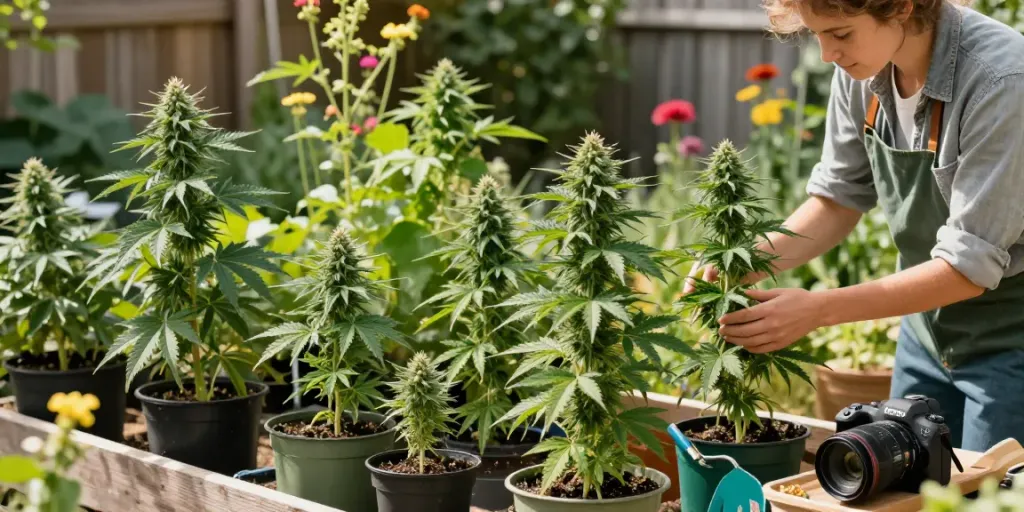
- Compact Size: Many autoflowers are bred to fit smaller grow spaces, making them ideal for indoor or discreet outdoor cultivation.
- Ease of Growth: Autoflowers are often recommended for novice growers due to their resilience and lower maintenance requirements.
- Multiple Harvests: The rapid flowering time allows for staggered planting and multiple harvests within the same season.
Choosing the Right Autoflower Variety
With a plethora of autoflower strains available on the market, choosing the right one can be daunting. Each variety offers unique flavor profiles, growth characteristics, and potency levels, catering to different preferences and growing environments.
Popular Autoflower Strains to Explore
Some of the top autoflower strains that growers are currently favoring include:
- Purplematic CBD: Known for its balanced CBD to THC ratio, ideal for therapeutic use.
- Northern Light Auto: A classic strain recognized for its resilience and generous yield.
- Blueberry: Offers a sweet, fruity flavor and is celebrated for its potent effects.
- Cinderella: A popular choice for its uplifting high and pleasant aroma.
Comparing Autoflower, Feminized, and Regular Seeds
When selecting seeds, it’s crucial to understand the differences between autoflower, feminized, and regular seeds. While autoflowers flower based on maturity, feminized seeds are bred to produce only female plants, ensuring a higher yield of cannabinoid-rich flowers. Regular seeds, on the other hand, can yield both male and female plants, which may require growers to identify and remove males to avoid pollination.
Factors to Consider for Your Grow Setup
Several key factors can affect the success of your autoflower grow, including:
- Grow Space: Choose a suitable environment that accommodates the size of the plants you are cultivating.
- Light Sources: Although autoflowers do not require light cycle changes, quality lighting is essential for optimal growth.
- Climate Control: Maintaining appropriate temperature and humidity levels is crucial for healthy plant development.
- Nutrient Management: Autoflower strains have specific nutrient needs that may differ from photoperiod plants.
Best Practices for Growing Autoflowers
Growing autoflower cannabis requires a few different approaches compared to traditional photoperiod strains. Understanding their unique requirements can lead to a rewarding cultivation experience.
Optimal Growing Conditions for Autoflower Cannabis
Autoflowers thrive in a controlled environment where factors such as light, temperature, and humidity are well-managed. Ideally, they prefer a temperature range of 65°F to 80°F and humidity levels between 40% and 60% during the vegetative stage.
Watering and Nutrient Guidelines
Proper watering and nutrient application is critical for autoflower success. Since these plants have a shorter life cycle, over-watering can quickly lead to issues. Using a light feeding schedule and well-draining soil can help prevent nutrient burn and root rot.
Common Mistakes and How to Avoid Them
Common pitfalls for new autoflower growers include:
- Over-fertilizing, which can hinder growth and reduce yield.
- Underestimating the size of these plants; while many are compact, some can grow larger than expected.
- Not providing consistent light, which can slow growth and reduce yields.
Harvesting and Yield Expectations
Understanding when and how to harvest your autoflower cannabis is crucial for achieving optimal yield and potency. Many strains will be ready to harvest within 8 to 10 weeks after germination.
When to Harvest Your Autoflower Cannabis
Signs that your autoflower is ready for harvest include yellowing fan leaves, brown pistils, and cloudy to amber trichomes. It’s essential to check these indicators closely to ensure maximum potency and quality.
Understanding Yield Potential by Strain
Yield potential can vary significantly between different autoflower strains. On average, you can expect yields from 1 to 5 ounces per plant. Factors such as genetics, grow conditions, and care will all influence these results.
Post-Harvest Care and Storage Tips
After harvesting, it is essential to cure the buds properly to enhance flavor and potency. Store your cannabis in a cool, dark place in airtight containers to preserve freshness and prevent mold.
Future Trends in Autoflower Cannabis Cultivation
The autoflower cannabis market is continuously evolving. Growers can expect advancements in breeding, cultivation techniques, and consumer preferences that will shape the future landscape of cannabis cultivation.
Emerging Autoflower Varieties for 2026
As the demand for innovative strains grows, breeders are developing new autoflower varieties that offer unique characteristics, such as enhanced flavors, higher yields, and improved disease resistance.
Technological Advances in Cannabis Cultivation
Investments in agricultural technology are benefiting cannabis cultivation through improved growing methods, such as automated care systems and advanced breeding techniques. These innovations aim to enhance yield while reducing the environmental impact of cultivation.
Market Trends and Consumer Preferences
As legalization spreads, an increasing number of consumers are searching for unique and potent strains. Autoflowers are gaining popularity for their quick turnaround and versatility, making them a favored choice for both personal and commercial cultivation.
What Are the Best Autoflower Strains for Beginners?
For beginners, strains such as Northern Light Auto and Bubblegum are often recommended due to their resilience and forgiving nature. These strains can help new growers build confidence while still achieving a productive harvest.
How Do Autoflower Strains Compare in Potency?
While earlier autoflower strains were known for lower potency, advancements in breeding have led to incredibly potent autoflower varieties. Many now provide THC content comparable to their feminized counterparts.
What Innovations Are Shaping Autoflower Breeding?
Continued research into genetics is leading to the development of autoflower strains with enhanced characteristics, including increased resin production, disease resistance, and specific cannabinoid profiles tailored to consumer preferences.
Is There a Fastest Autoflowering Strain?
Yes, some autoflowering strains have been bred for their incredibly fast growth cycles. Strains like Quick One and Fast & Vast can flower in as little as 7 weeks, making them ideal for growers in regions with shorter growing seasons.
Why Are Autoflowers Preferred for Small Spaces?
Many autoflower varieties are bred to be compact and bushy, making them a practical choice for growers with limited space. Their short stature and quick growth allow for successful cultivation even in small areas.
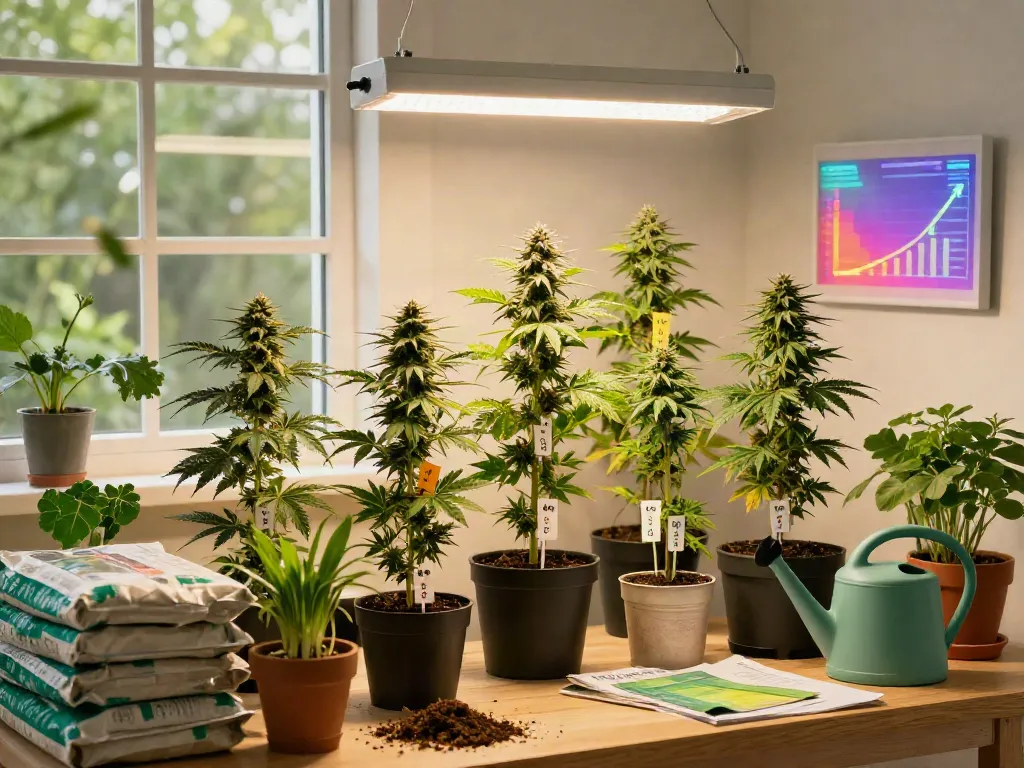
What Are the Best Practices for Indoor Autoflower Growing?
When growing autoflowers indoors, ensure an appropriate light source is present, maintain proper humidity and temperature levels, and provide adequate ventilation. Using high-quality soil and ensuring consistent watering can also enhance growth and yield.