Understanding Flow Meters in 2026
In the evolving landscape of industrial process measurement, flow meters play a pivotal role in ensuring accuracy and reliability across various applications. As industries adapt to new challenges and technologies, the significance of selecting the right flow measurement solution becomes even more apparent. This comprehensive guide delves into the nuances of flow meters, exploring their different types, applications, and the latest technological advancements influencing their design and functionality. Whether you are involved in the oil and gas sector, water treatment facilities, or manufacturing, gaining a solid understanding of Flow Meter technologies is essential for optimizing operations and maintaining compliance with industry standards.
What is a Flow Meter?
A flow meter is an essential instrument used to measure the flow rate of liquids, gases, or vapors through a conduit, such as a pipe or a duct. These devices provide quantitative data on the amount of fluid passing a specific point in a given time, which is critical for a wide range of industrial and commercial applications. Flow meters fall under various categories, each tailored to different conditions and requirements, including but not limited to, volumetric, mass, and differential pressure flow meters.
Types of Flow Meters and Their Applications
Flow meters can be categorized into several types, each serving specific applications and industries:
- Coriolis Flow Meters: Renowned for their high accuracy, Coriolis flow meters measure mass flow directly by observing the effect of fluid motion on vibrating tubes. They are suitable for various industries, including food and beverage, pharmaceuticals, and petrochemicals.
- Electromagnetic Flow Meters: Often used for conductive liquids, these meters operate based on Faraday's law of electromagnetic induction. They find application in water treatment, pulp and paper, and mining industries.
- Thermal Mass Flow Meters: Ideal for gas measurement, these instruments quantify mass flow by measuring the heat transfer to the fluid. They are popular in HVAC systems and process industries.
- Ultrasonic Flow Meters: Utilizing sound waves, ultrasonic flow meters provide non-intrusive measurement of liquids and gases. They are widely used in applications like wastewater management and custody transfer.
- Positive Displacement Flow Meters: These flow meters measure the volume of fluid by trapping a fixed amount in the measurement chamber, making them suitable for viscous fluids and precise measurements.
Technological Advancements in Flow Measurement
The field of flow measurement is witnessing significant advancements driven by technological innovation. These developments are not only enhancing measurement accuracy but also expanding the functionalities of flow meters, making them more versatile and efficient.
Impact of IoT on Flow Metering Solutions
The integration of the Internet of Things (IoT) into flow measurement technologies is revolutionizing the way industries monitor and manage fluid movement. IoT-enabled flow meters allow for real-time data transmission, enabling operators to monitor flow rates continuously and make informed decisions based on current conditions. This connectivity aids in predictive maintenance, helping to identify potential issues before they escalate, thus minimizing downtime and maintenance costs.
Innovative Materials and Designs in Modern Flow Meters
Recent advancements in materials science have led to the development of flow meters that can withstand extreme conditions, including high pressures and corrosive environments. Modern flow meters are increasingly fabricated from robust materials such as high-grade stainless steel and specialized polymers, which enhance their durability and reliability in challenging industrial settings. Additionally, the design of these instruments is continuously evolving, with a focus on compactness and ease of installation.
Trends in Data Analytics for Flow Measurement
As industries generate vast amounts of data, leveraging analytics to improve flow measurement processes has become crucial. Advanced data analytics techniques are being employed to extract insights from flow meter readings, enabling better operational efficiency and resource allocation. Predictive analytics can forecast changes in flow patterns, allowing businesses to adjust processes proactively.
Best Practices for Flow Meter Calibration
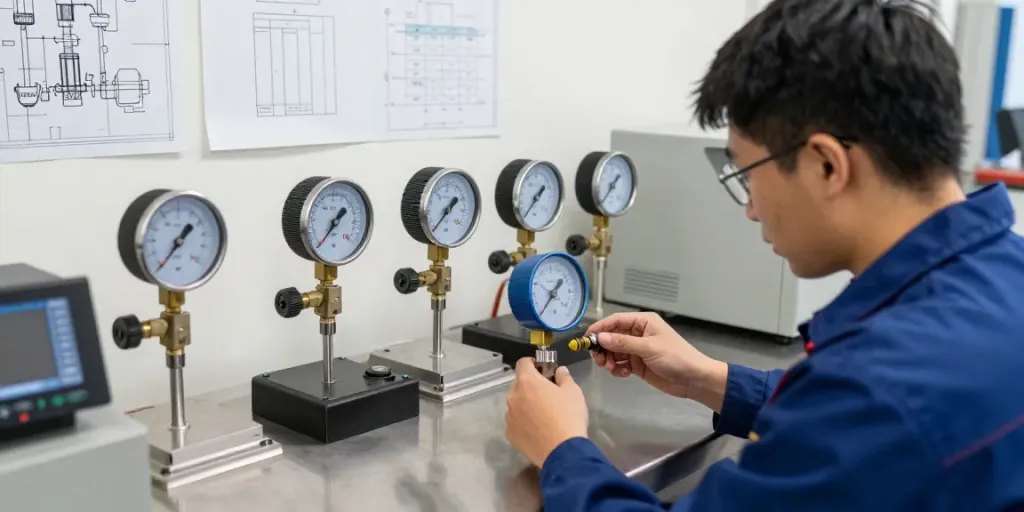
Ensuring precise measurements requires regular calibration of flow meters, which is fundamental to maintaining operational integrity and compliance with regulatory standards. Establishing a robust calibration process is essential for accurate flow measurement.
Importance of Accurate Calibration for Custody Transfer
In applications where flow meters are used for custody transfer, such as in the oil and gas industry, accuracy is paramount. An error in measurement can lead to significant financial losses and compliance issues. Therefore, implementing stringent calibration protocols is crucial to ensure that flow meters provide reliable measurements for billing and regulatory compliance.
Calibration Methods: Factory vs. Third-Party Services
Calibration can be performed in-house at the factory or outsourced to independent third-party services. Factory calibration typically focuses on standard specifications, while third-party calibration can provide higher accuracy for specific applications. Depending on the operational requirements and accuracy needs, companies may choose the appropriate calibration method for their flow meters.
Frequency and Standards for Calibration Processes
Determining the frequency of calibration depends on several factors, including the type of flow meter, the application, and the operating environment. Industry standards often dictate specific calibration intervals to ensure ongoing compliance and measurement accuracy. Regular audits and maintenance checks should be scheduled to uphold these standards.
Industry-Specific Considerations for Flow Meter Use
Different industries present unique challenges and requirements for flow meter applications. Understanding these nuances is key to selecting the right flow meter solution for each sector.
Flow Measurement in the Oil and Gas Industry
In the oil and gas sector, precise flow measurement is critical due to the nature of the products being handled and the value of the transactions. Flow meters must withstand harsh conditions, including extreme temperatures and pressures, while providing accurate data for custody transfer and process control. Coriolis and ultrasonic flow meters are commonly utilized for their accuracy and reliability.
Application of Flow Meters in Water Treatment Facilities
Water treatment facilities rely on flow meters to monitor and manage water flow throughout the purification process. Accurate flow measurements ensure that treatment chemicals are applied correctly and that the processes operate efficiently. Electromagnetic flow meters are often preferred for their robustness in measuring various water qualities.
Challenges with Gas Flow Measurement in Industrial Settings
Gas flow measurement presents unique challenges such as fluctuations in pressure, temperature, and gas composition. These factors can significantly affect measurement accuracy. Advanced solutions, including thermal and differential pressure flow meters, are essential for overcoming these challenges and ensuring reliable measurements across various gas applications.
The Future of Flow Meter Technology
As we look towards the future, several trends and predictions will likely shape the flow meter industry in the coming years.
Predictions for Flow Meter Innovations by 2030
By 2030, we expect to see further advancements in flow meter technologies, particularly in the realms of artificial intelligence and machine learning. These innovations may enable flow meters to not only measure and transmit data but also to analyze it in real-time, providing actionable insights that help in resource optimization and predictive maintenance.
Emerging Regulations Impacting Flow Meter Technologies
As industries face increasing scrutiny regarding environmental impact and accuracy in reporting, new regulations are likely to emerge that mandate stricter compliance for flow measurement technologies. Staying ahead of these regulations will be critical for manufacturers and operators alike.
Preparing for Future Trends in Measurement Technologies
To remain competitive, companies must invest in modern flow measurement technologies and training for personnel. Embracing the latest advancements not only enhances operational efficiency but also ensures compliance with evolving industry standards.
What are the benefits of using advanced Flow Meters?
Advanced flow meters offer numerous benefits, including improved accuracy, enhanced durability, and greater operational efficiency. These devices reduce the risk of measurement errors and help organizations optimize resource management.
How often should Flow Meters be calibrated?
The calibration frequency for flow meters varies based on application, environmental conditions, and regulatory requirements. Regular calibration is essential to ensure accuracy and compliance, with many industries recommending calibration at least annually.
What are the key applications for Coriolis Flow Meters?
Coriolis flow meters are primarily used in the food and beverage, pharmaceutical, and petrochemical industries due to their high accuracy and ability to measure fluid density. They are ideal for applications requiring precise measurement of mass flow rates.
What industries primarily use Flow Meters?
Flow meters are widely used across various sectors, including oil and gas, water and wastewater, food and beverage, pharmaceuticals, and chemical manufacturing. Each industry utilizes specific types of flow meters suited to their unique requirements.
How does data analytics enhance Flow Meter performance?
Data analytics enhances flow meter performance by enabling organizations to leverage real-time measurements for better decision-making. By analyzing flow data, businesses can identify patterns, optimize operational efficiencies, and predict maintenance needs.